Crypto.news and similar aggregators publish dozens of stories daily. For practitioners managing positions, deploying capital, or building protocol integrations, the operational question is not whether to follow news but how to extract actionable signal from the volume. This article examines the mechanics of news evaluation in crypto media, the structural incentives that shape coverage, and the verification steps required before acting on breaking reports.
How Crypto News Sites Aggregate and Package Stories
Most crypto news platforms operate on a hybrid model. Some content is original reporting, some is rewritten from press releases or other outlets, and some is syndicated. Crypto.news typically sources from wire services, official project announcements, and staff writers. The speed incentive is high. Publishing minutes ahead of competitors drives traffic. This creates predictable trade offs: first reports often lack secondary source confirmation, regulatory context, or contract level verification.
Headlines are optimized for click through rates. A statement like “Protocol X integrates with Layer 2” may mean full deployment, a testnet launch, or an announcement of future intent. The lede paragraph usually clarifies, but scanning headlines alone is a reliable path to misunderstanding scope or timing.
Tags and categories on these sites reflect what drives engagement, not necessarily what matters for position management. A story tagged “DeFi” might cover a governance vote, a token unlock, or a general market sentiment piece. Filtering by tag alone will not isolate the subset of stories that affect your holdings or integrations.
Distinguishing Breaking News from Repackaged Announcements
When a protocol publishes a blog post or a project tweets a partnership, that content fans out across dozens of sites within minutes. Each outlet rewrites it slightly, adds a quote from the original source, and publishes under a new timestamp. The result is a wave of articles that appear independent but share a single origin.
To distinguish genuine new information from echo, check the article for attribution. If the entire story cites a single tweet or blog post and contains no additional sources, treat it as amplification rather than independent verification. Original reporting includes interviews with multiple parties, onchain data analysis, or documentation the outlet obtained directly.
Press releases are particularly prone to overstatement. A company announcing a partnership may describe it as strategic or comprehensive, but the practical scope could be a one time integration test or a marketing collaboration with no technical substance. Crypto news sites rarely push back on these claims in the initial coverage because speed matters more than depth.
Evaluating Technical Claims in News Coverage
Many crypto articles reference smart contract mechanics, tokenomics changes, or protocol upgrades. Few journalists have the time or tooling to verify these claims onchain before publication. If a story says a contract was deployed, a token supply was burned, or a governance vote passed, you should verify it yourself before acting.
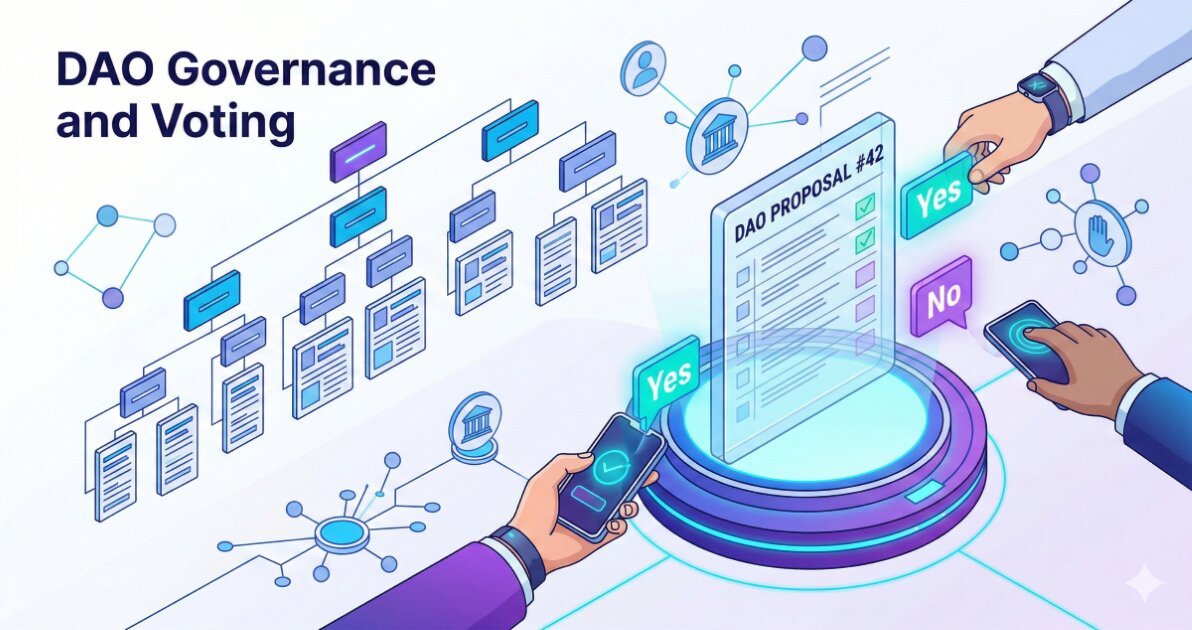
For Ethereum and EVM compatible chains, check the contract address on Etherscan or the equivalent block explorer. Look at recent transactions, read events emitted, and compare the bytecode hash to known deployments if the contract claims to match an audited version. For governance votes, consult the protocol’s snapshot page or onchain voting dashboard. Many news articles cite vote results before the timelock period completes or before execution succeeds.
Protocol upgrade announcements often lack version specificity. A headline may say “Protocol X deploys new staking contract,” but the article might not specify whether this is live on mainnet, limited to a subset of validators, or still in a guarded launch phase with multisig controls. Check the protocol’s official GitHub repository, Discord, or governance forum for deployment addresses, activation blocks, and any known issues flagged post launch.
Worked Example: Parsing a Token Unlock Story
Suppose crypto.news publishes “Project Y unlocks 50 million tokens next week.” The article cites the project’s token release schedule and quotes a community manager. Here is how to verify and contextualize.
First, locate the official token vesting schedule. Most projects publish this in their documentation, a transparency dashboard, or a blog post from the initial token generation event. Confirm the unlock date, quantity, and recipient category (team, investors, foundation).
Second, calculate the unlock size relative to circulating supply. If circulating supply is 200 million tokens, a 50 million unlock represents 25 percent dilution. If it is 1 billion, the impact is far smaller. The news story may not provide this context.
Third, check whether the unlocked tokens are subject to additional restrictions. Some vesting schedules unlock tokens to a multisig or foundation address but include informal commitments not to sell immediately. These nuances rarely appear in the initial news coverage.
Fourth, monitor onchain transfers after the unlock occurs. If the article said 50 million tokens would unlock but you see 60 million move to an exchange deposit address, that discrepancy is material and should prompt deeper investigation or position adjustment.
Common Mistakes When Acting on Crypto News
- Treating aggregated stories as independent confirmation. Five articles on the same partnership announcement do not constitute five sources. They constitute one source and four rewrites.
- Ignoring the publication timestamp versus the event timestamp. A story published today might reference an event from last week. Always check when the underlying action occurred.
- Assuming protocol integrations are live when announcements describe future intent. Words like “will integrate,” “plans to support,” and “announces partnership” often describe roadmap items, not shipped code.
- Skipping the comments or official responses. When a critical story breaks, project teams often respond in the comments on the news site, on Twitter, or in their Discord. These clarifications can materially change interpretation.
- Relying on price mentions without checking multiple data sources. If a story says “Token Z hit $5,” verify the price on multiple exchanges. Thin liquidity on one venue can create misleading peaks.
- Not checking whether regulatory stories apply to your jurisdiction. A headline about new crypto rules often refers to one country or region. The article may clarify this in paragraph six.
What to Verify Before You Rely on This Information
- The source article’s publication date and whether it references past, current, or planned events.
- Whether claims about contract deployments, token burns, or governance votes are confirmed onchain using a block explorer.
- The current circulating supply and total supply of any token mentioned in unlock or inflation stories, using CoinGecko, the project’s transparency dashboard, or onchain supply queries.
- Whether partnership or integration announcements specify mainnet deployment or only testnet or future roadmap commitments.
- The track record of the journalist or outlet. Some writers consistently verify onchain data. Others primarily rewrite press releases.
- Whether official project channels (GitHub, governance forums, Discord) corroborate or contradict the news story.
- If the story cites price moves, whether those moves are consistent across multiple high liquidity venues or isolated to one exchange.
- Whether regulatory stories specify the jurisdiction and the enforcement timeline.
Next Steps
- Build a feed that prioritizes official project channels (blogs, GitHub release notes, governance forums) over aggregators for protocols you hold or integrate with. Use aggregators for discovery but verify through primary sources.
- Set up onchain monitoring for key addresses and contracts in your portfolio. Services like Tenderly, Dune dashboards, or custom Etherscan alerts can notify you of material transactions before they hit the news cycle.
- Develop a checklist for evaluating breaking news. Include steps like checking the block explorer, comparing to the official roadmap, and searching for corroborating sources. Apply this checklist before adjusting positions or making integration decisions.
Category: Crypto News & Insights